
A Stopped Azure VM Is Not a Free One
Deallocating an Azure VM feels like turning off the meter. The compute charge does stop. What most teams miss is that the VM's attached managed disks and its reserved public IP keep billing, at full…
zopdev writing tagged cost-optimization. Engineering and FinOps notes, post-mortems, and benchmarks.
Deallocating an Azure VM feels like turning off the meter. The compute charge does stop. What most teams miss is that the VM's attached managed disks and its reserved public IP keep billing, at full…

AI is the fastest-growing line on the cloud bill and the least governed. Cost tools were built for VMs, disks, and load balancers. They see an Azure OpenAI deployment, an AI Search index, or an Azure…

Databricks is one of the largest and most opaque line items on a data team's cloud bill. It is also one of the few that genuinely spans clouds: the same platform runs on AWS, Azure, and GCP, often…

A flagged idle Databricks cluster keeps billing until something stops it. ZopNight now governs AWS Databricks end to end: discover, cost, recommend, and stop.

AWS Bedrock cost is not token spend. It is an estate of agents, models, provisioned throughput, and jobs, each billed differently and easy to miss.

Vertex AI cost sprawls across endpoints, notebooks, feature stores, and jobs. The worst offenders have no off switch. FinOps starts with finding them all.

A schedule recommendation you have to rebuild by hand mostly never gets applied. One-click apply turns identified savings into realized savings.

Databricks cost is not one number. It is five compute surfaces billed on Azure VMs plus DBUs, and tools that meter only the VMs miss the waste.

Stop/start fixes idle resources, the easy half of cloud waste. Right-sizing and config changes mutate live resources and need their own rule class.

Cost allocation depends on tags, but a flat key=value dropdown is unreadable at scale. Grouping values by key turns the tag picker into a real FinOps control.

A savings figure in a card tells you a total, not a direction. Savings decay. Plotting daily savings next to spend turns a slow leak into a dated event.

A finished SageMaker job that still shows a monthly charge corrupts your forecast. ML needs run-duration costing for jobs and idle rightsizing for endpoints.

AWS Savings Plans vs Reserved Instances: The Break-Even Model Before Every Commitment AWS offers two ways to commit compute spend in exchange for a discount: Savings Plans and Reserved Instances.…

The Fargate Tax: Why Serverless Kubernetes Costs 38% More Past 200 vCPU-Hours Fargate is appealing because the pitch is clean: no AMI patching, no node group sizing, no cluster autoscaler tuning. You…

The cron expression means "stop at 7 PM, weekdays only." Most engineers can read it after a moment. A non-engineer cannot, and even the engineer who wrote it forgets the semantics within a quarter.…

The observability bill at a 50-engineer org goes from $8,000/month in year one to $90,000/month by year three. The growth never gets a budget review because each individual instrumentation change…

A team writes the cron job that shuts non-prod down at 8 PM. The cron runs three commands in parallel: scale the EKS Deployments to zero, pause the Aurora cluster, stop the ElastiCache Redis nodes.…

A right-sized EKS cluster should not run at 40 percent node utilization. The pods declare requests that sum to 78 percent of node capacity. The cluster autoscaler provisions nodes to fit those…

Three years of cost retrospectives across mixed AWS fleets keep landing on the same finding. Teams that pick one compute commitment model and apply it across the whole fleet (all-Savings-Plan,…

The 47th agent is when finance shows up. Below 30 agents in production, the Anthropic invoice is one tolerable line item somewhere south of $25,000 a month, and nobody asks who is spending what. Past…

The average mid-size production EC2 fleet runs at 12 to 23 percent utilization. The remaining 77 to 88 percent is idle compute that ran continuously, billed continuously, and produced nothing. On a…

A single Claude API call is predictable. An agent with tool access is not.

Every mid-size engineering organization has 5 to 15 AWS accounts that nobody actively owns. The "POC" account from 2024. The "team-old-name" account that survived the 2025 reorg. The…

A FinOps team produces a recommendation report on Monday morning. It identifies $185,000 of monthly waste across 240 cloud resources. By Friday, 12 of those 240 are remediated. By the end of week 4,…

Multi-region is the architecture default for serious SaaS in 2026. The justification is real: disaster recovery, latency, sovereignty. The cost is hidden in the bill under "data transfer" and…

A B2B SaaS product team ships its first AI feature in 2024. By 2026, the same team has 12 AI features in production: summarization, classification, extraction, search, an AI assistant, three flavors…

A LARGE Snowflake warehouse left running 24/7 costs $11,520 per month on AWS Standard Edition, per the Snowflake pricing documentation. Multiply that by the four warehouses a typical data team runs…

OPA Gatekeeper rejects a pod before it ever runs. Here is how to write admission policies that block oversized resource requests, missing cost labels, and non-prod images at deploy time, not billing time.

GitHub Actions runner minutes, ECR image layers, artifact archives, and ephemeral test clusters rarely get the same scrutiny as production workloads. That is where the leak starts.

Unrestricted pod egress runs every outbound call through NAT Gateway at $0.045 per GB. NetworkPolicy is both a security control and a cost control. Here is how to use it as both.

Most teams apply VM cost intuition to Lambda and end up paying more, not less. This covers the real billing math, the memory-speed paradox, the cold start trap, and the framework for deciding when Lambda wins.

Cluster Autoscaler works on day one. Six months in, you have 12 node groups, 30% idle capacity, and scaling incidents during traffic ramps. Here is what changes when you switch to Karpenter.
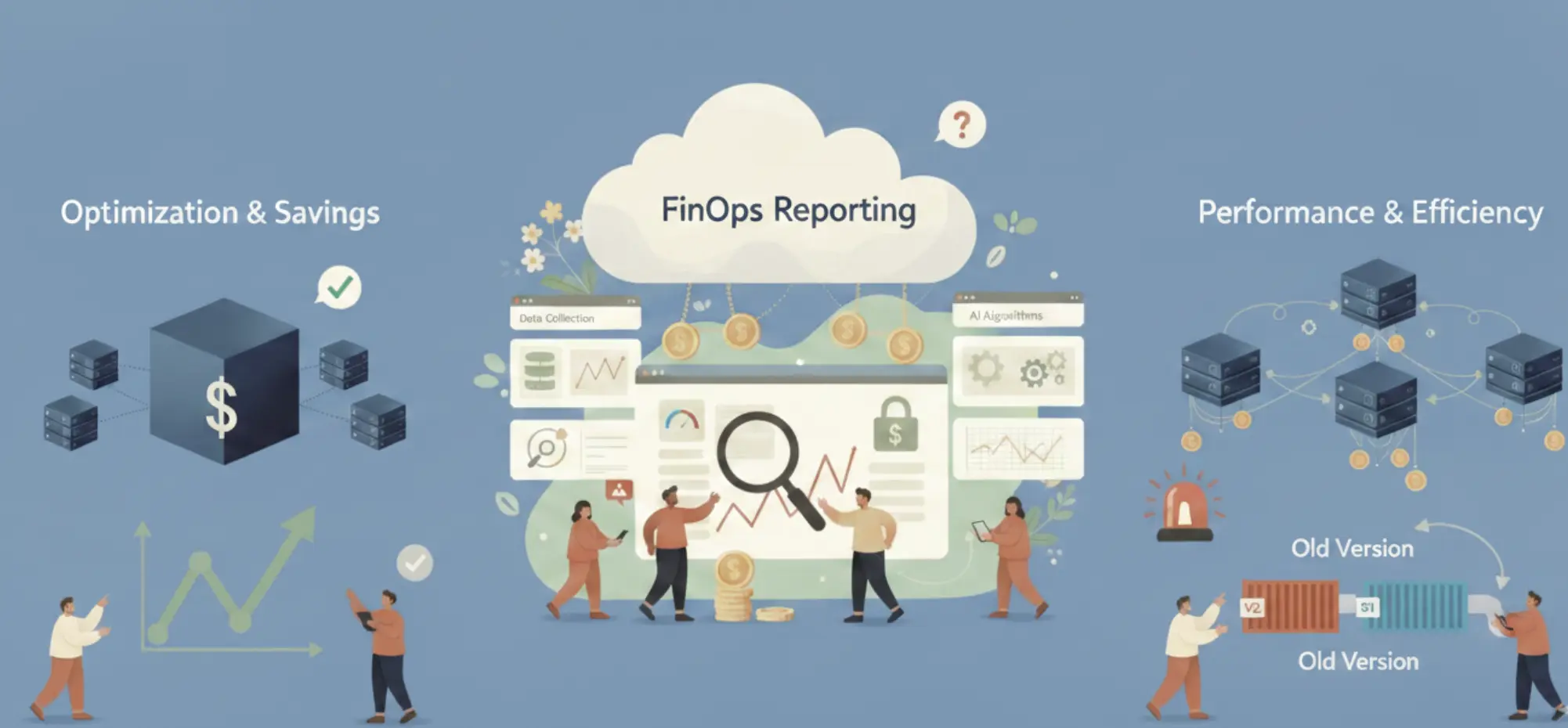
Most cloud cost dashboards show what you spent but not whether you are on track. Learn the five metrics every FinOps budget health page needs: estimated spend, verified savings, savings rate, cost trend, and budget health.
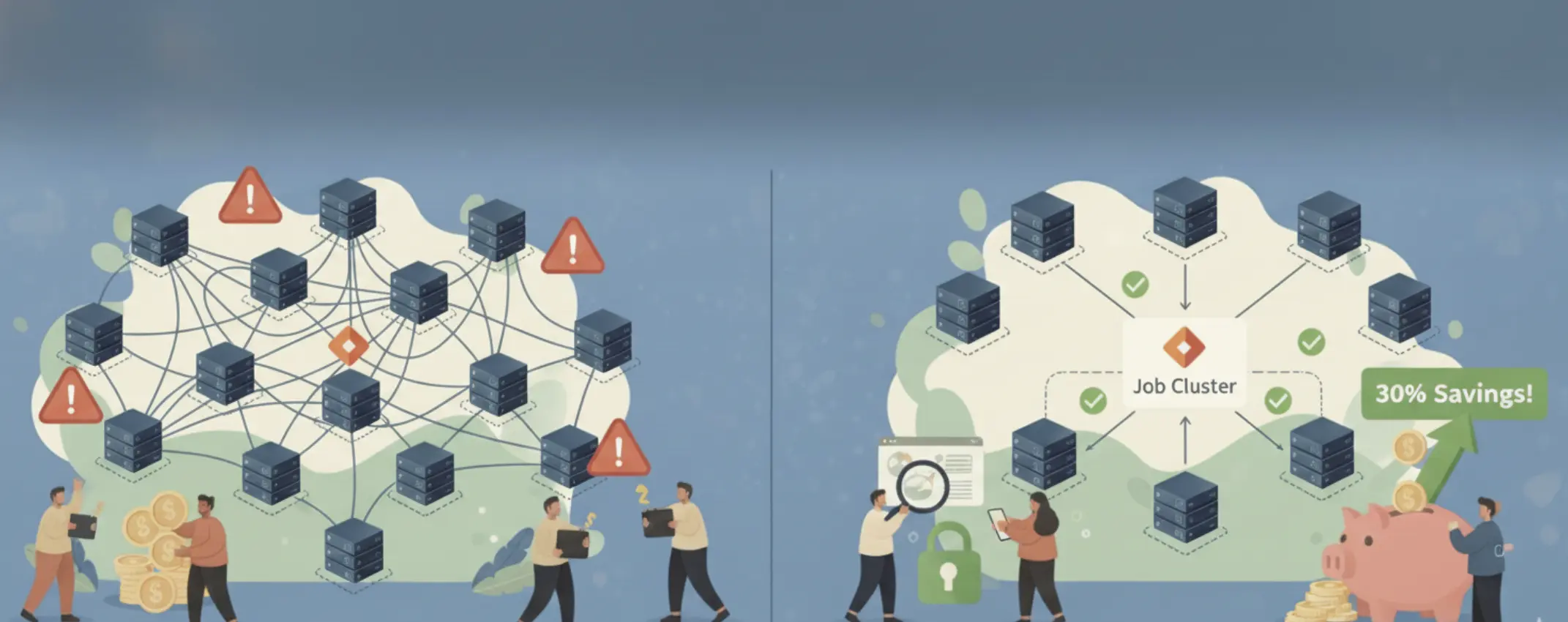
All-Purpose Compute costs 2.7x more than Jobs Compute for the same hardware. Learn how to audit your Databricks workspace, migrate scheduled pipelines to job clusters, and eliminate idle spend.
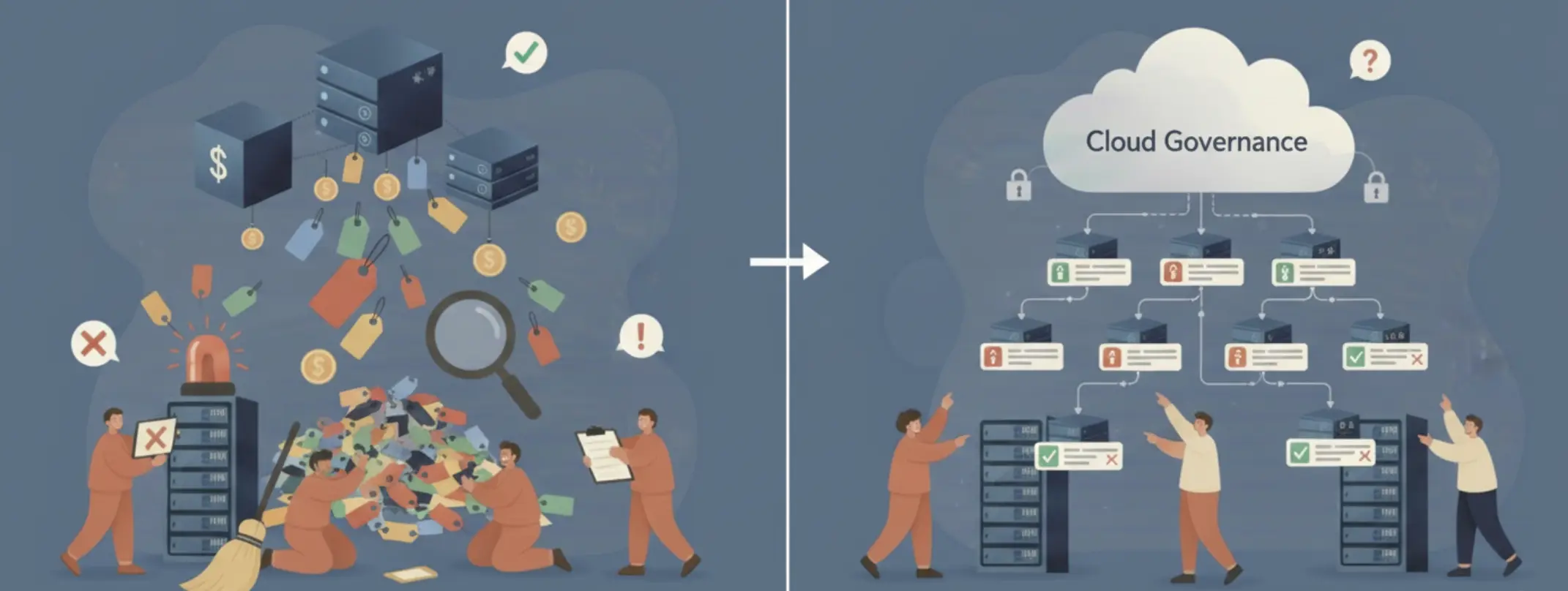
Reactive tagging is structurally broken. Learn why discovery-time tag governance eliminates unallocated spend before it ever appears in your billing reports.
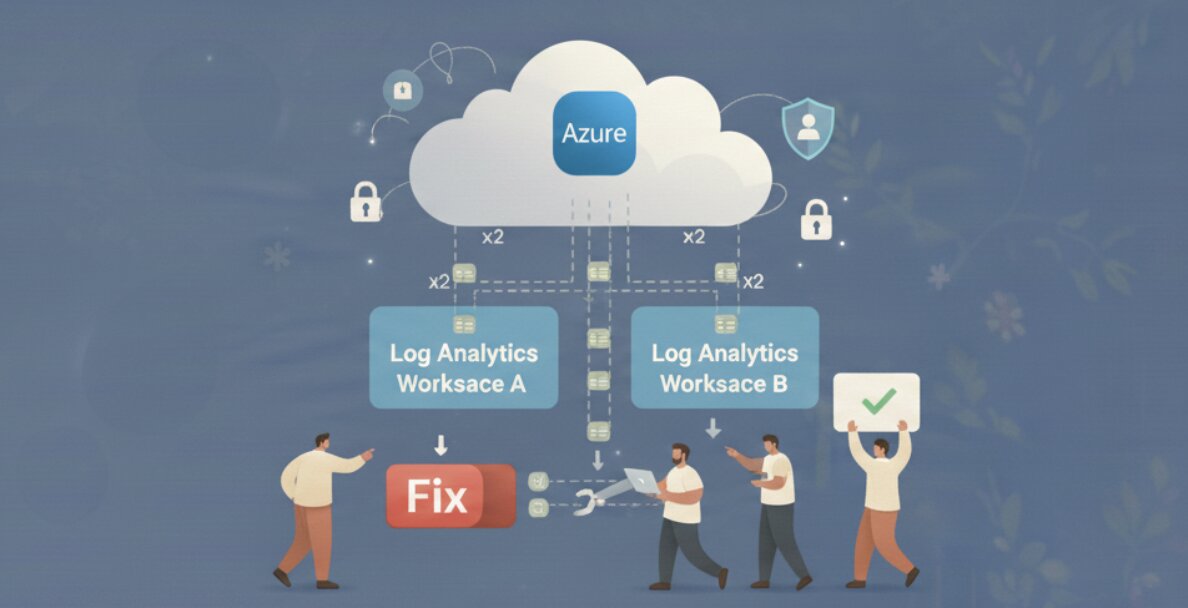
Your Log Analytics workspace is probably ingesting duplicate data right now. Azure's diagnostic settings model has three specific patterns that silently produce duplicate ingestion. Here's how to detect and fix each one.
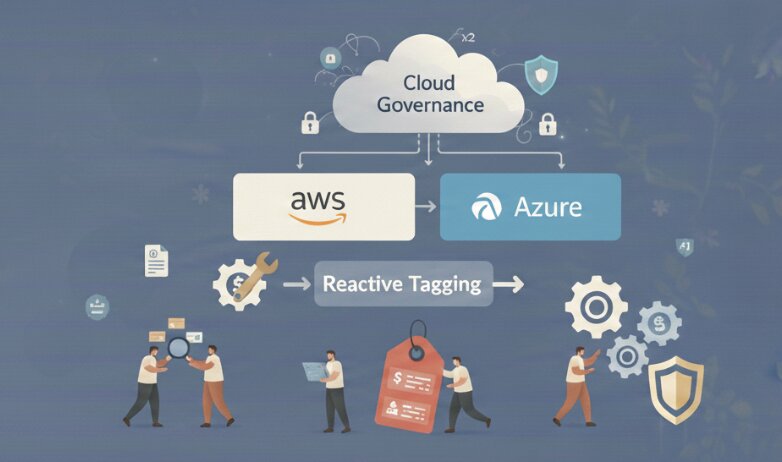
Manual tagging strategies have a consistent failure mode: they work at the start and break down within six months. Here's how to build enforcement at the point of creation and automated remediation on AWS and Azure.
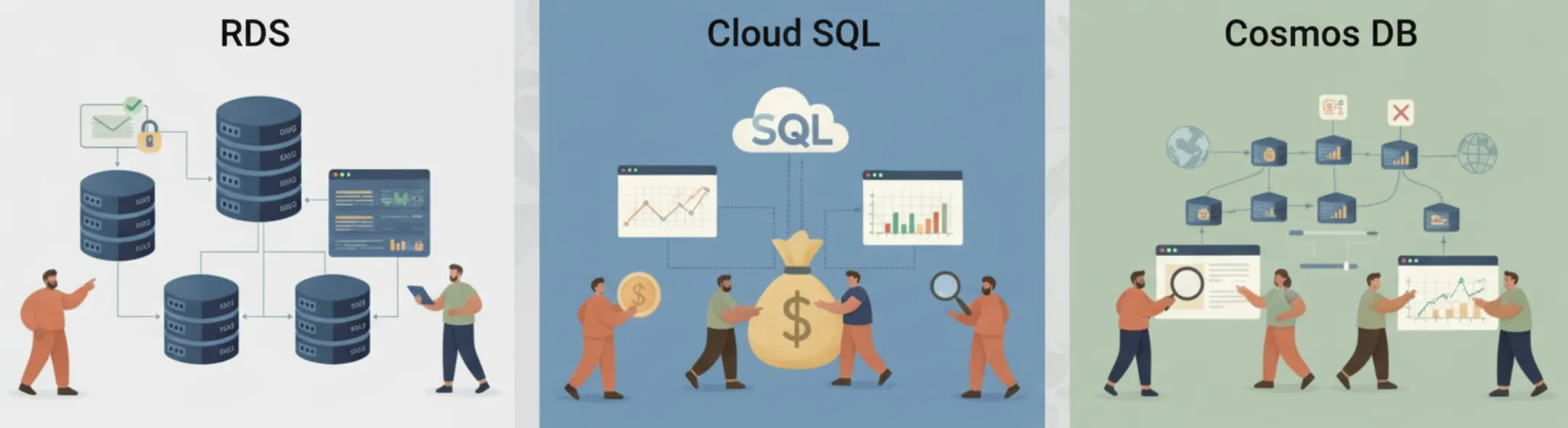
Database bills hide in HA multipliers, auto-grow storage, and idle non-prod instances. Here's where the money actually goes on RDS, Cloud SQL, and Cosmos DB, and the specific changes that cut it.
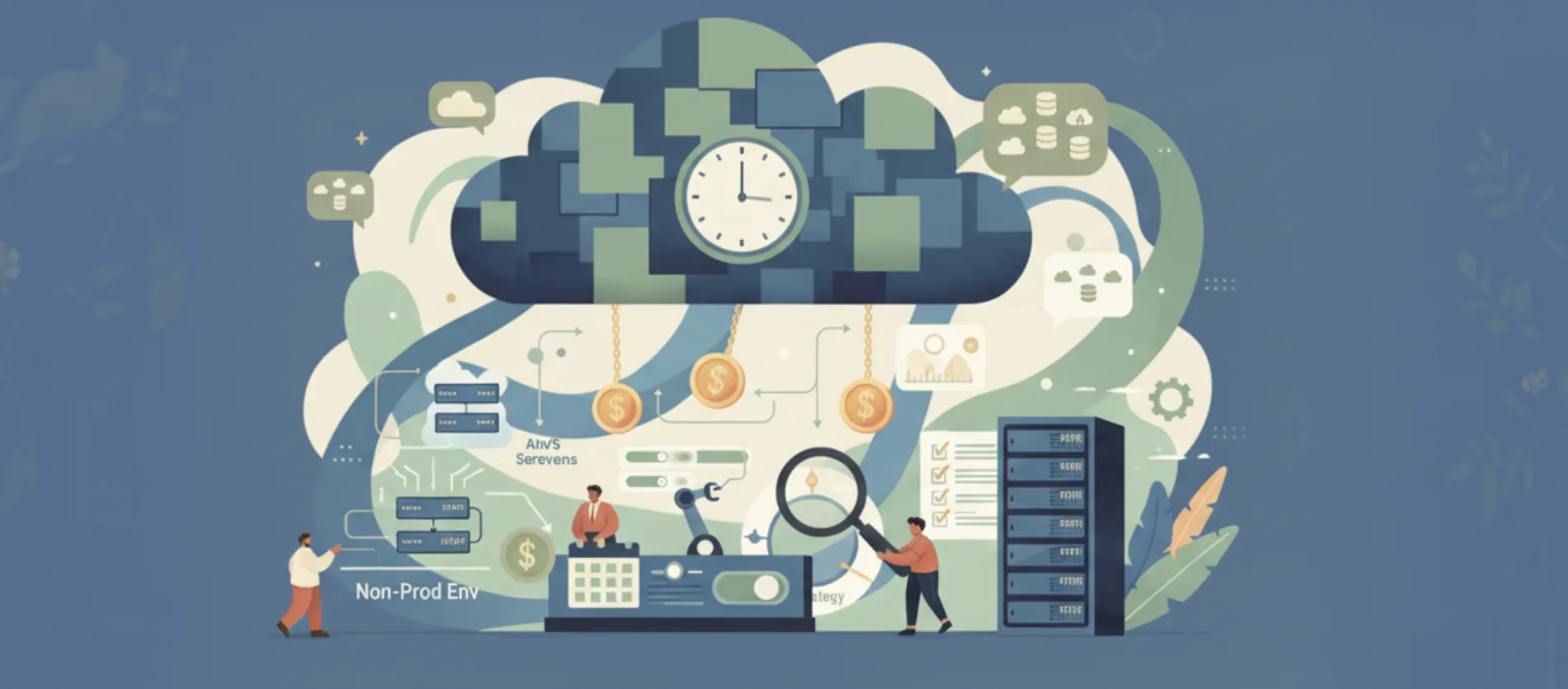
Your non-prod environments ran all weekend and were billed for every hour. Here's the case for automated scheduling, how it works in Kubernetes, what breaks, and how teams recover 60%+ of idle cloud spend
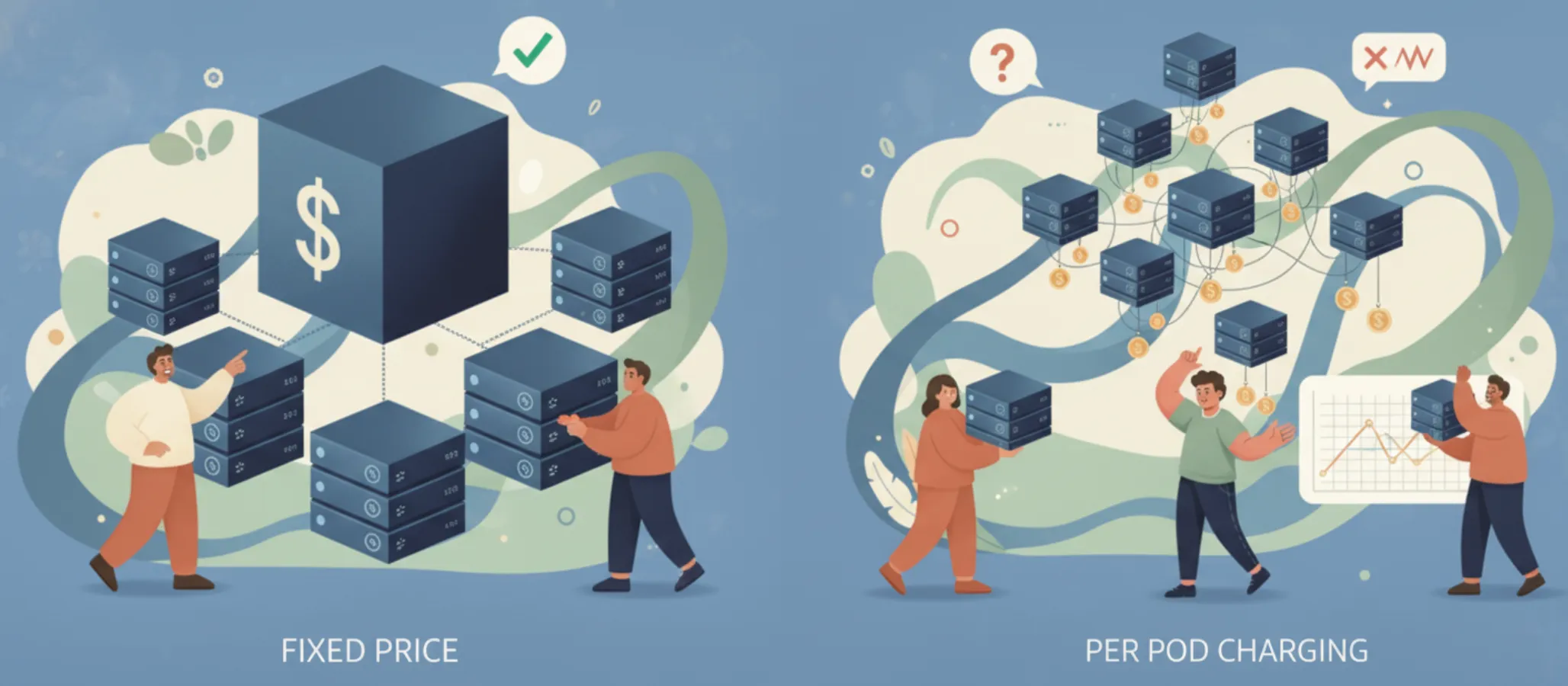
Per-pod pricing turns maxReplicas into a cost dial and punishes autoscaling. Here's why fixed per-environment pricing lets Kubernetes work the way it was designed and what that means for reliability.
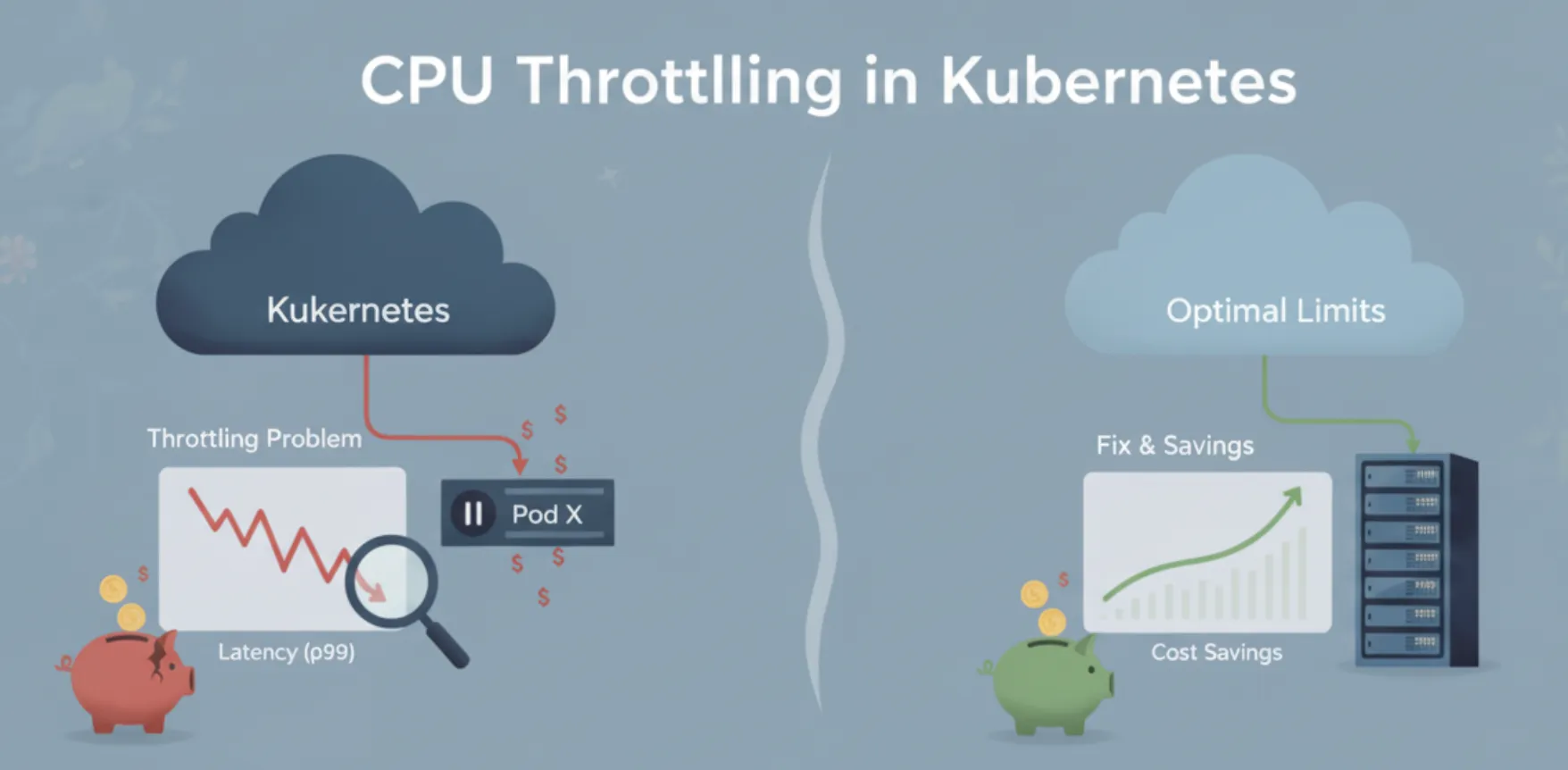
Most teams discover CPU throttling only after p99 latency spikes and costs climb. Learn how to detect it in minutes using PromQL and fix it by right-sizing your CPU requests and limits.
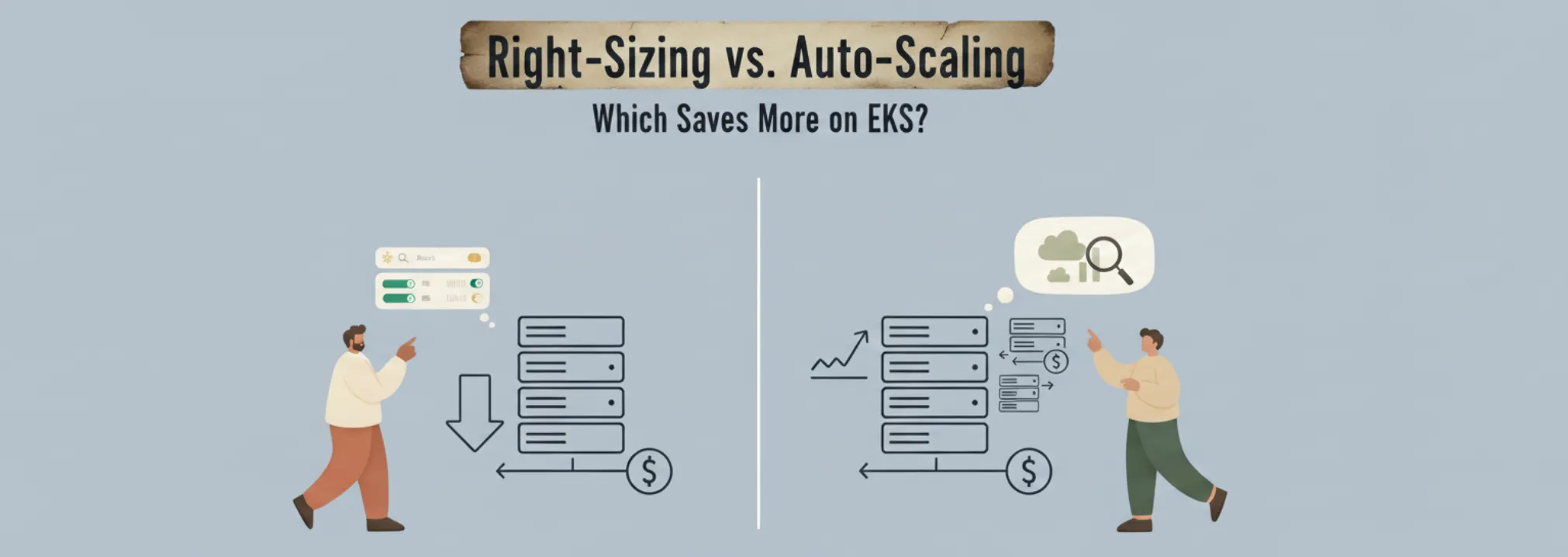
Most EKS teams enable Cluster Autoscaler and call it done, but the bill barely moves. Learn why right-sizing pod requests first is the fix that cuts baseline costs by 50–67%, and how to layer auto-scaling on top for maximum savings.

Avoid expensive cloud migration mistakes by rightsizing workloads. Learn how to use performance data, optimize disk IO, and implement post-migration reviews.
Discover the hidden financial impact of launching cloud instances. Learn how FinOps and DevOps integration prevents over-provisioning and reduces cloud waste.
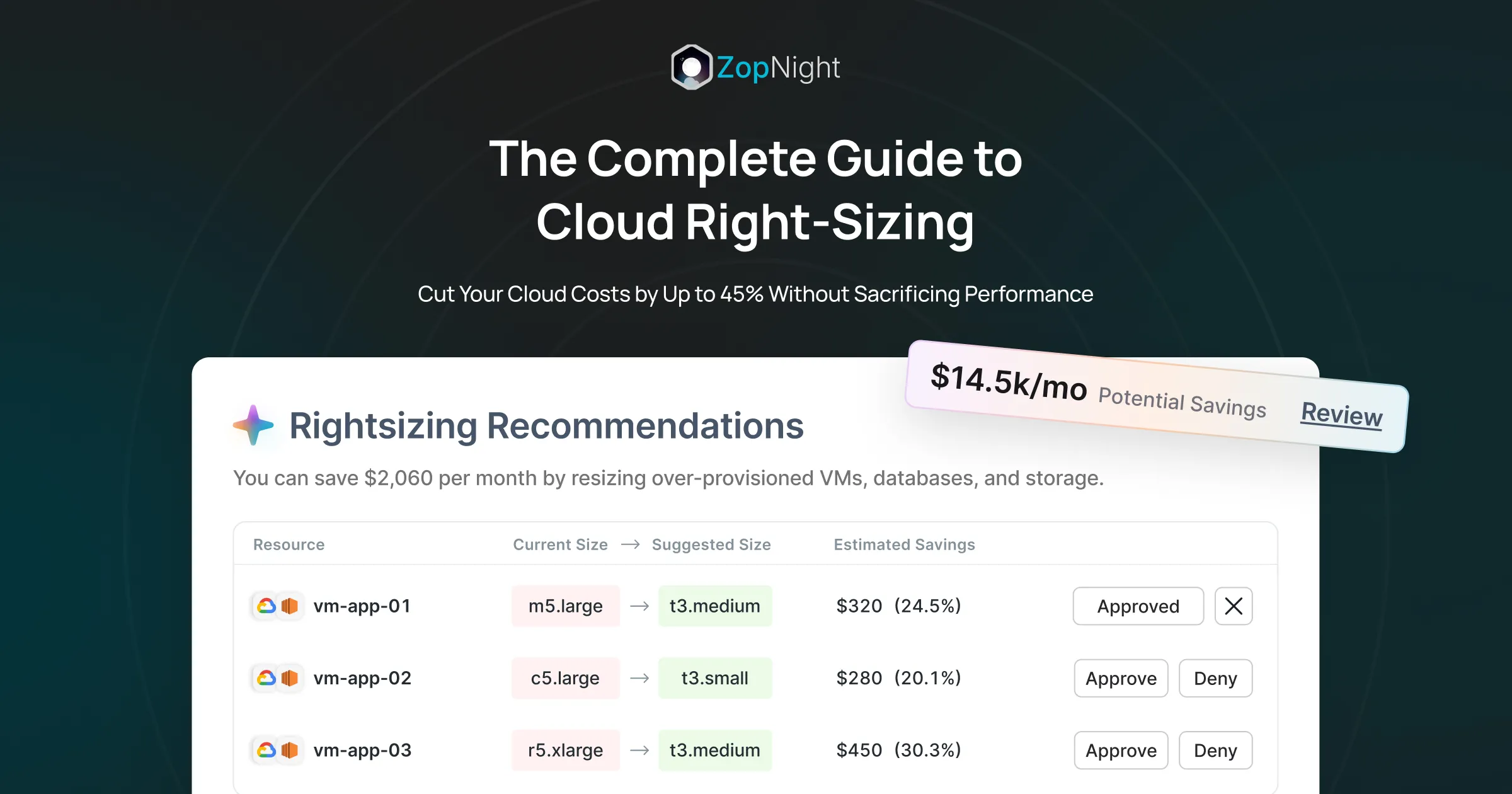
Discover how cloud right-sizing can cut your compute and database costs by up to 45% without sacrificing performance. Learn best practices, success stories, and how ZopNight automates optimization across VMs, Kubernetes, databases, and storage.
Discover why running non-production infra 24/7 silently breaks SRE principles. Learn how ZopNight helps teams cut toil, reduce noise, and align with true reliability through automated scheduling and cost visibility.
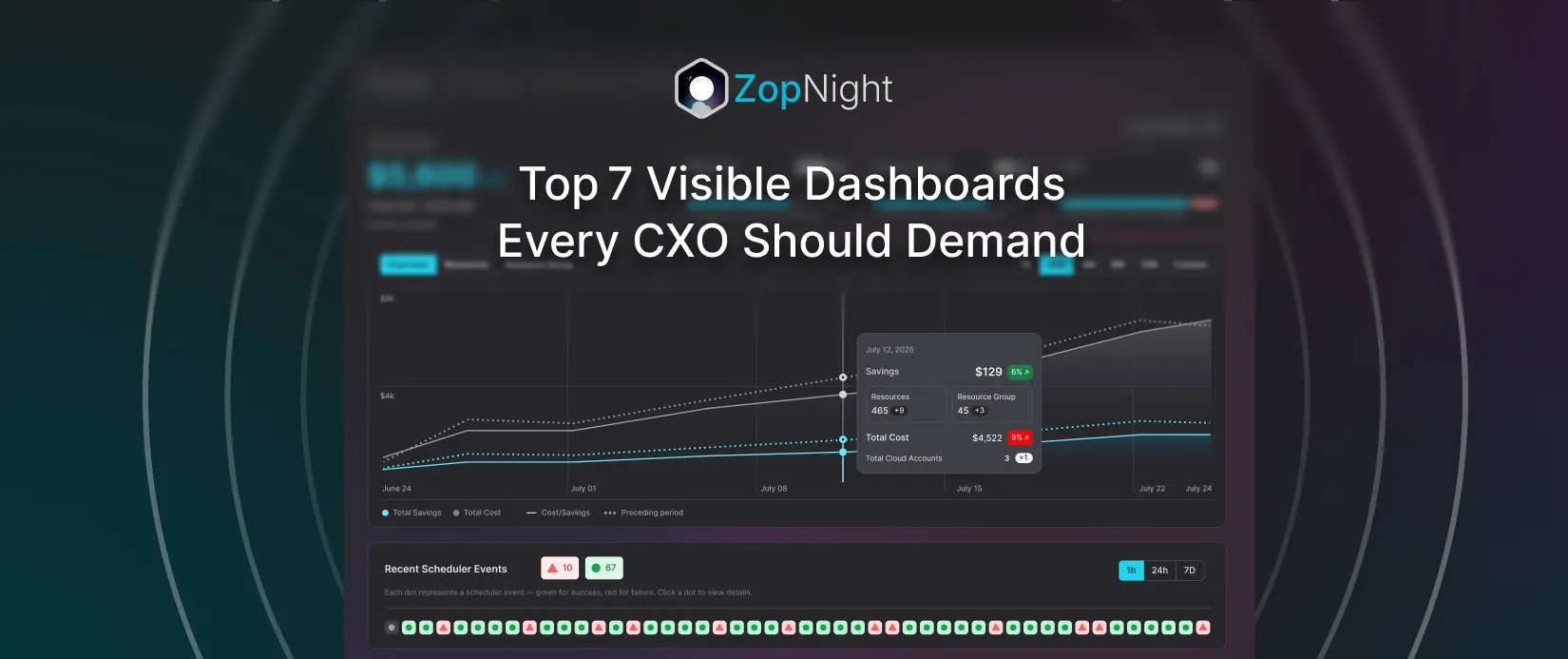
Discover the top 7 dashboards every CXO should demand for real-time cloud visibility, cost control, and accountability. Learn how ZopNight empowers smarter infrastructure decisions.
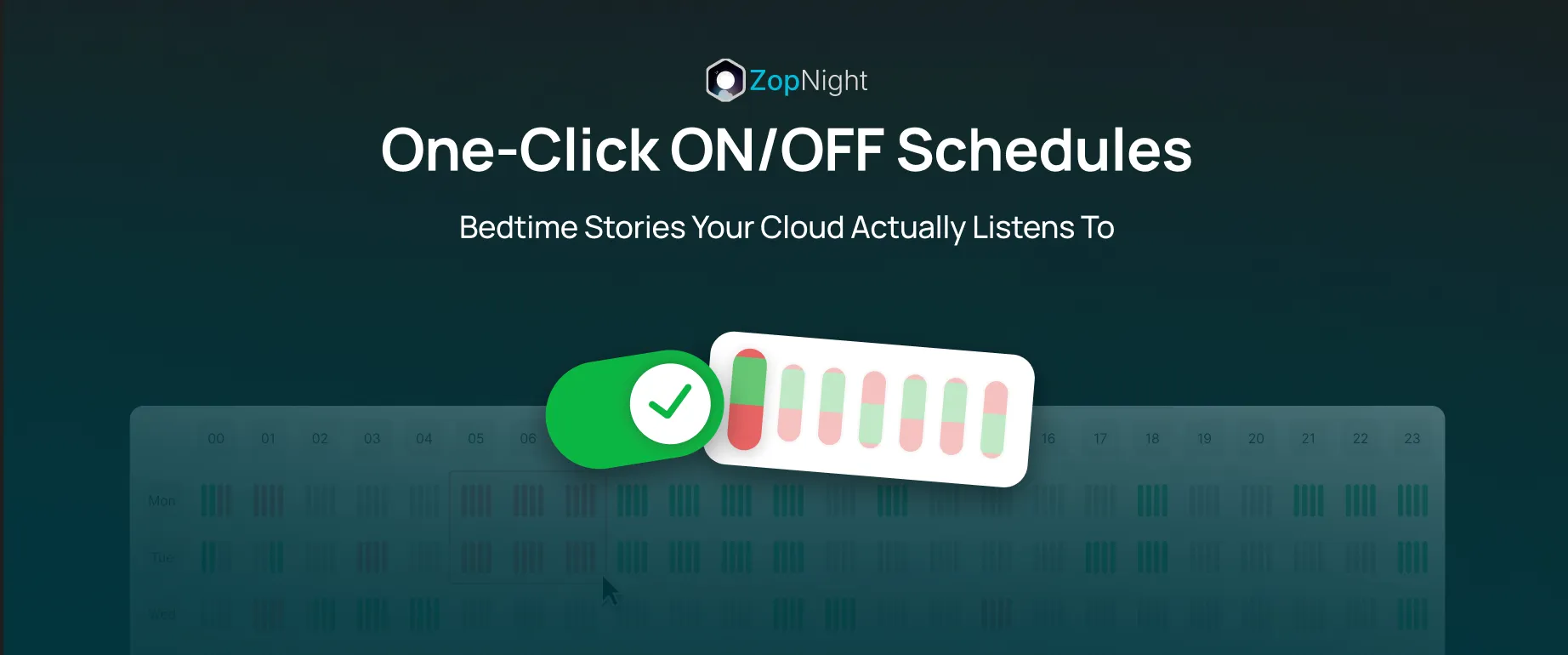
Tired of sky-high cloud bills from idle staging environments? Discover how ZopNight helps teams slash up to 70% in cloud costs with one-click, intelligent scheduling — no scripts, no cron jobs, just set it and forget it.
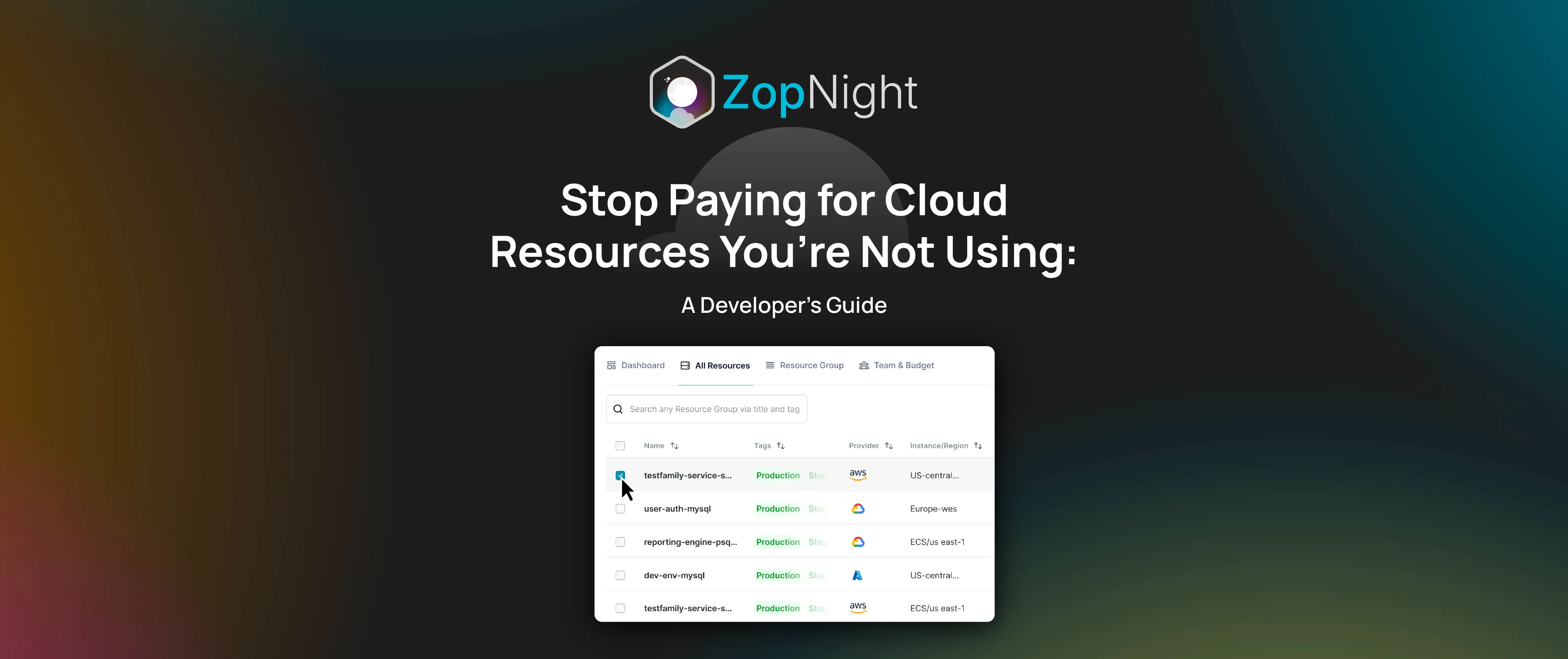
Tired of cloud bills burning your budget while nobody’s using the infra? Discover practical ways to automate shutdowns, rightsize workloads, and park idle environments — all with less manual effort.
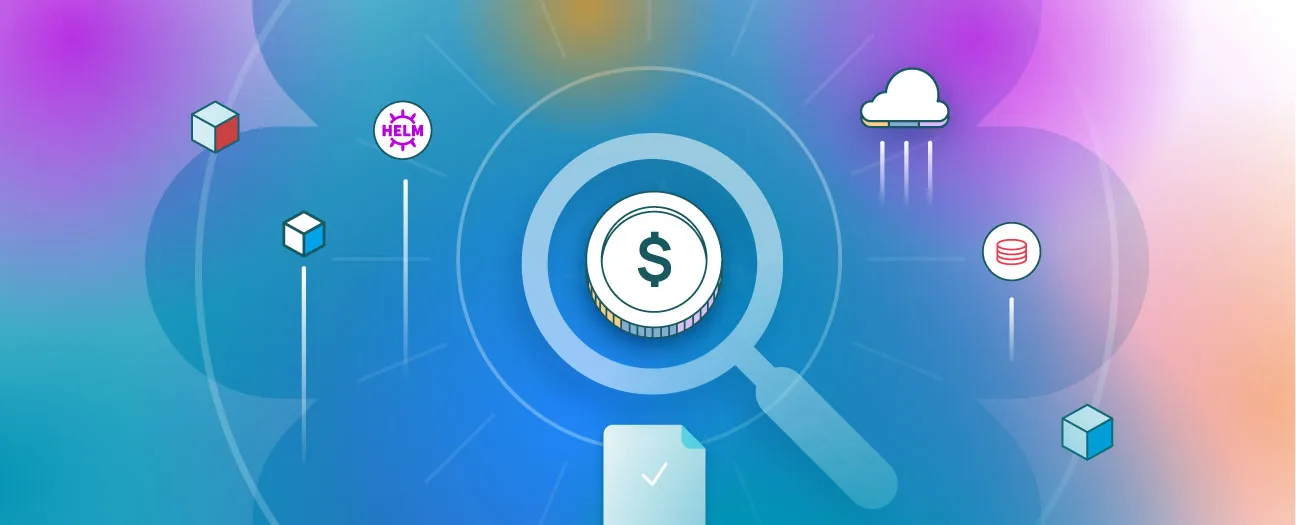
Optimize your cloud costs with advanced strategies beyond simple savings. Explore rightsizing, reserved instances, spot instances, storage optimization, FinOps practices, and real-world examples to reduce cloud waste and maximize value.

Free cloud credits can come with hidden costs like vendor lock-in and egress fees. Learn how startups can avoid common pitfalls and optimize cloud spending with Zopdev’s smart strategies and tools.
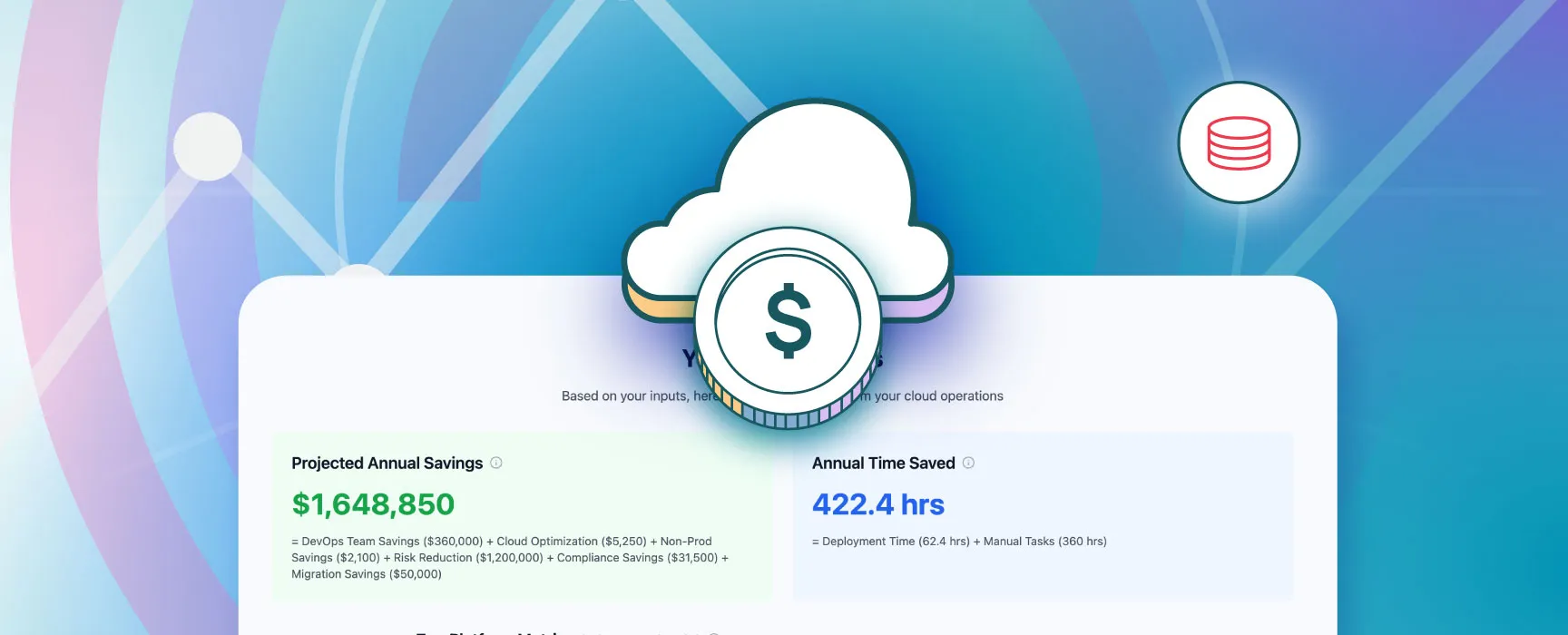
Discover how Zop's interactive ROI calculator can reveal your potential cloud infrastructure savings. Calculate automation benefits, cost reductions, and efficiency gains instantly.
Discover how zop.dev simplifies cloud management with features like unified dashboards, automation, multi-environment support, and cost optimization. Learn how zop.dev can revolutionize your cloud operations.
One post a week. Sundays. No "10 ways to think about cloud" listicles, just the engineering and FinOps notes we'd want to read.
See. Find. Fix. Automatic.
Connect your first cloud account in under 5 minutes. See your first remediation in under 7. No credit card required.